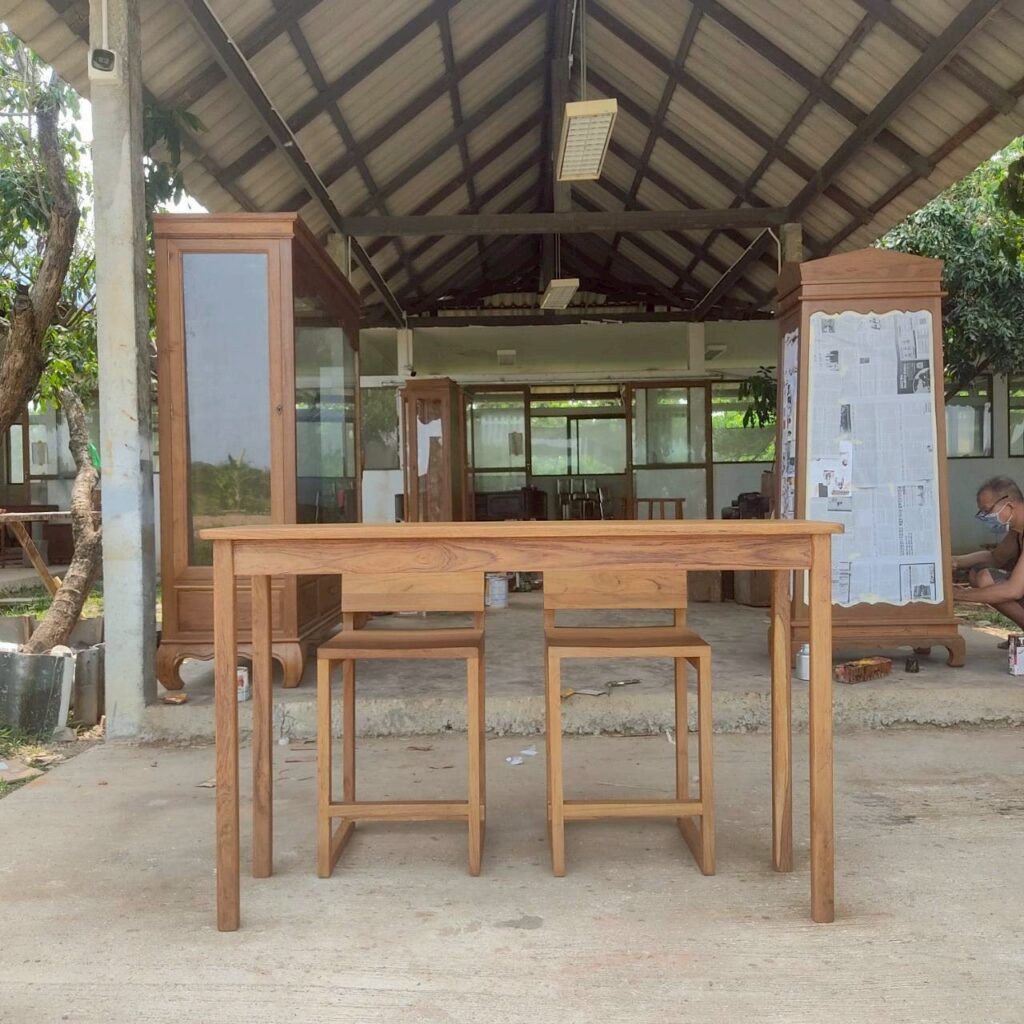
“People have the right to have tastes according to their own preferences.”
This teaching attributed to Buddhadasa Bhikkhu invites us to accept something simple: not everyone has to like the same thing.
One person may prefer pale wood. Another may love the depth of darker teak.
One may appreciate visible traces of age. Another may prefer a cleaner, quieter surface.
These differences are what we call taste.
At WoodTist, we believe there is another side of the conversation that deserves the same respect: the material itself.
Personal Taste Matters
Furniture lives close to us. We touch it every day. We sit at it. Store things inside it. Walk past it hundreds of times.
So it makes sense that furniture should relate to the person who owns it. A custom piece may begin with questions such as:
What do you like? How do you live? What feels beautiful to you? What do you want to see every day?
For WoodTist, there is no single correct answer. The point of custom design is not to make everyone choose the same aesthetic.
It is to understand what feels right for this person.
But Material Has Its Own Nature Too
When we work with reclaimed teak, we are not working with a perfectly uniform industrial sheet.
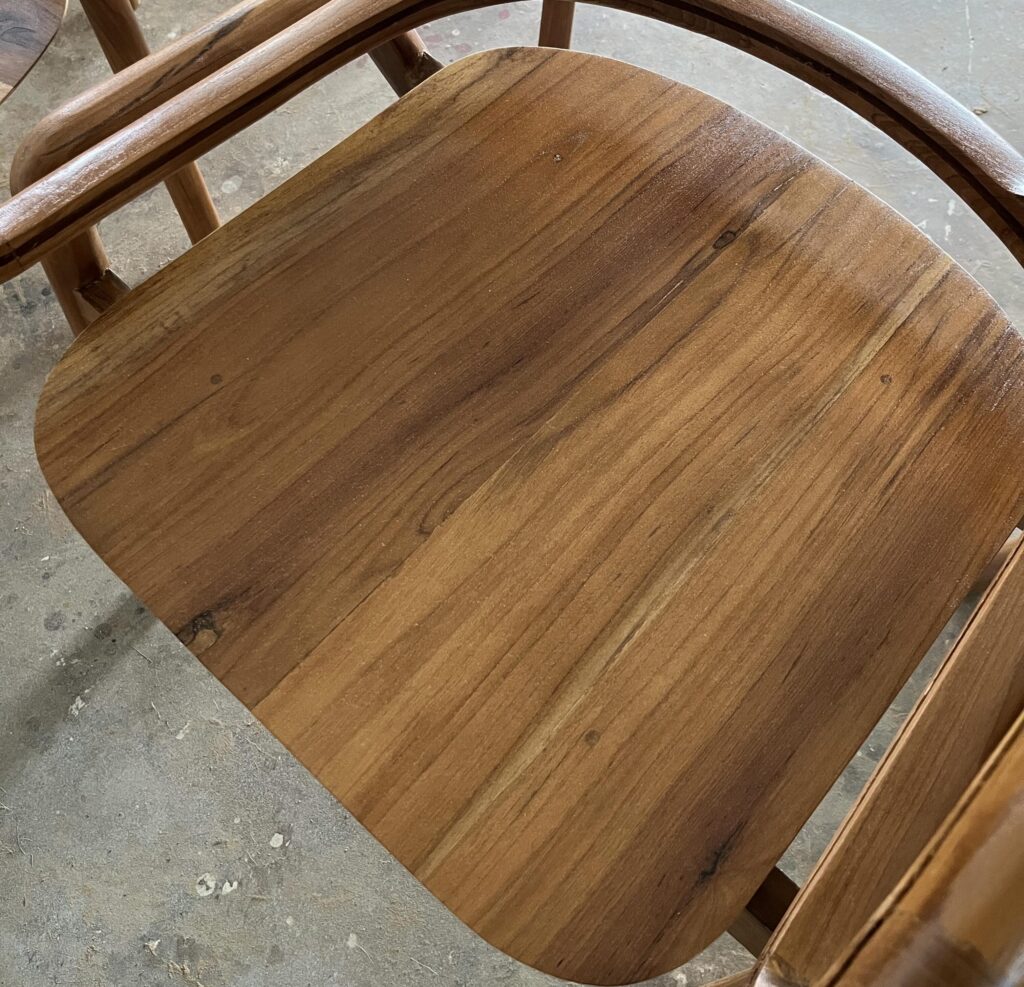
Every board can be different. Its tone. Its grain. Its dimensions. Its marks. Its previous role.
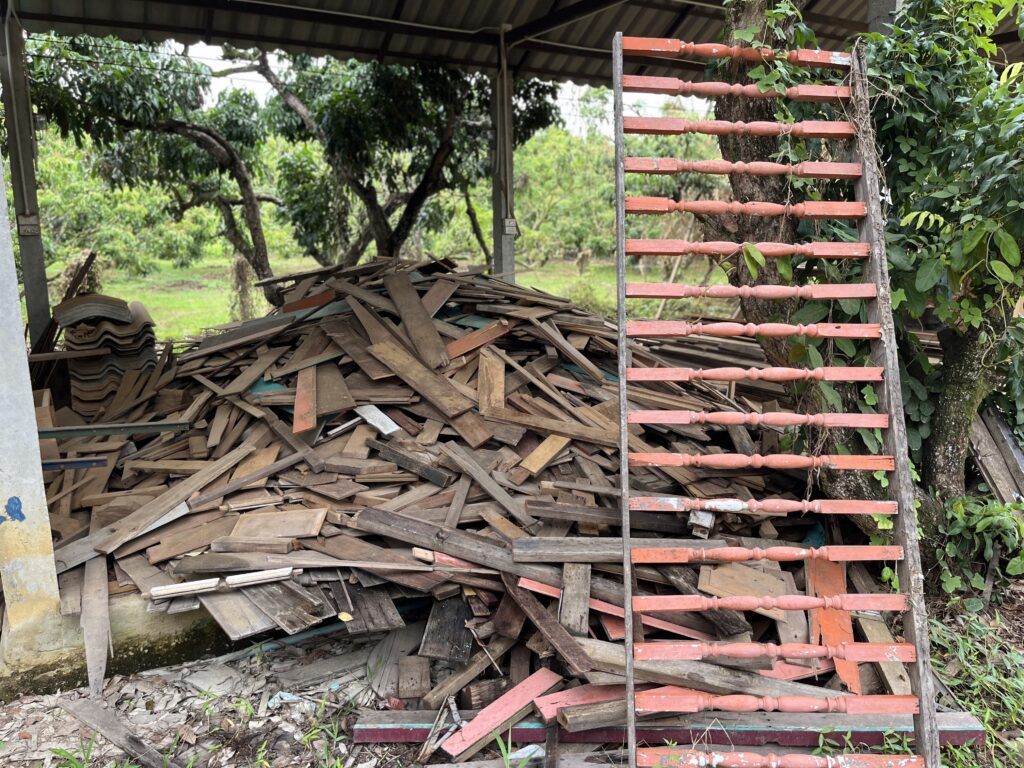
Some pieces may once have been floorboards. Others beams, posts, joists or structural members from an old house.
So while the owner brings personal taste into the design process, the material brings something of its own.
The question becomes: How do we respect both?
Design Is Not About Choosing One Side
There can be a temptation in custom furniture to think: “If the customer wants it, the material should be made to obey.”
But WoodTist sees custom design differently. The owner has the right to a personal preference. The material also has realities that cannot simply be ignored.
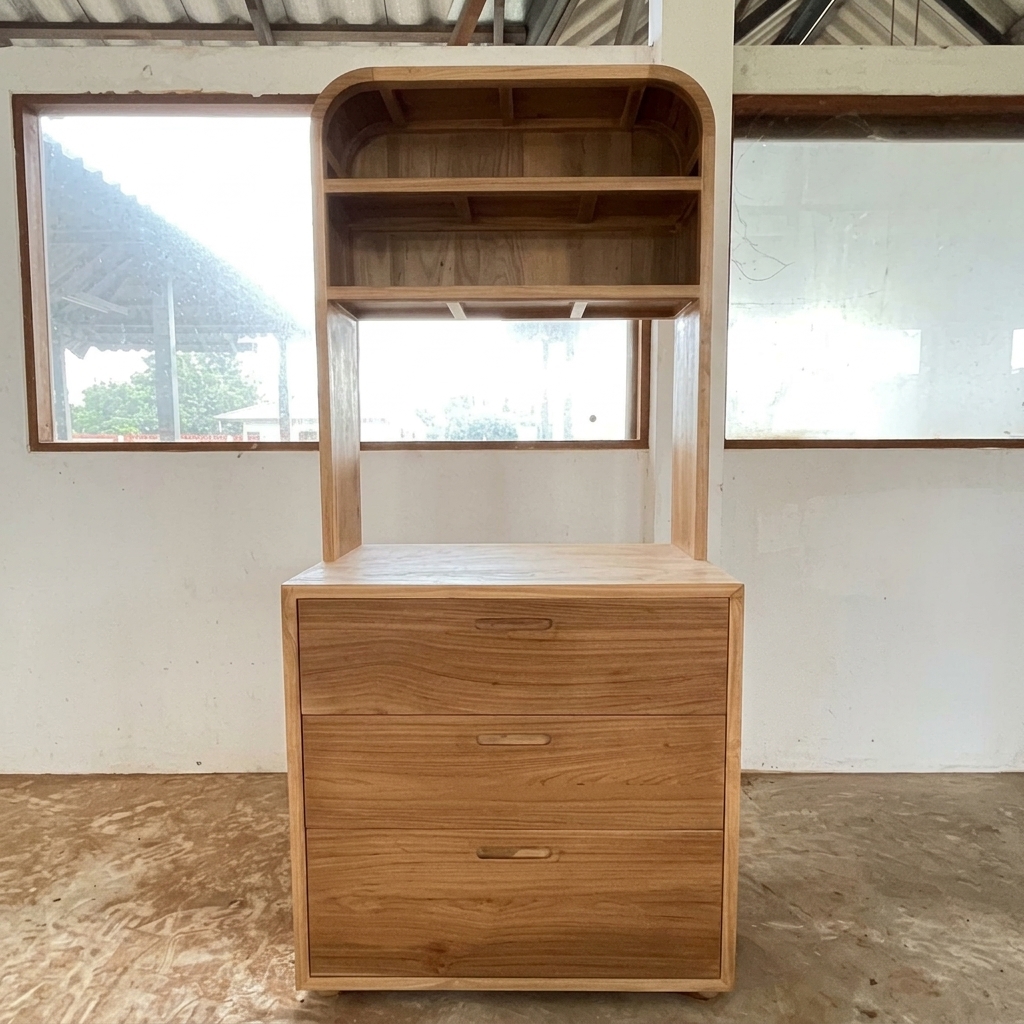
For example, a client may want a very pale finish. Reclaimed teak can be lightened, but it will not naturally become as pale and uniform as certain naturally light-colored woods.
A client may want every board to look identical. But reclaimed timber comes with natural variations. A design may call for a particular dimension. But the available timber may suggest a slightly different proportion that preserves more of the original material.
Good design is not about denying the client’s taste. Nor is it about romanticizing the material and refusing to shape it. It is about finding the point where both can meet.
Understanding the Material Changes the Design
At WoodTist, we often begin by looking at what a piece of timber already is. What was it before? What is its section? How wide is it? What kind of grain does it carry? What marks should remain? What should be repaired? And what could this piece become next?
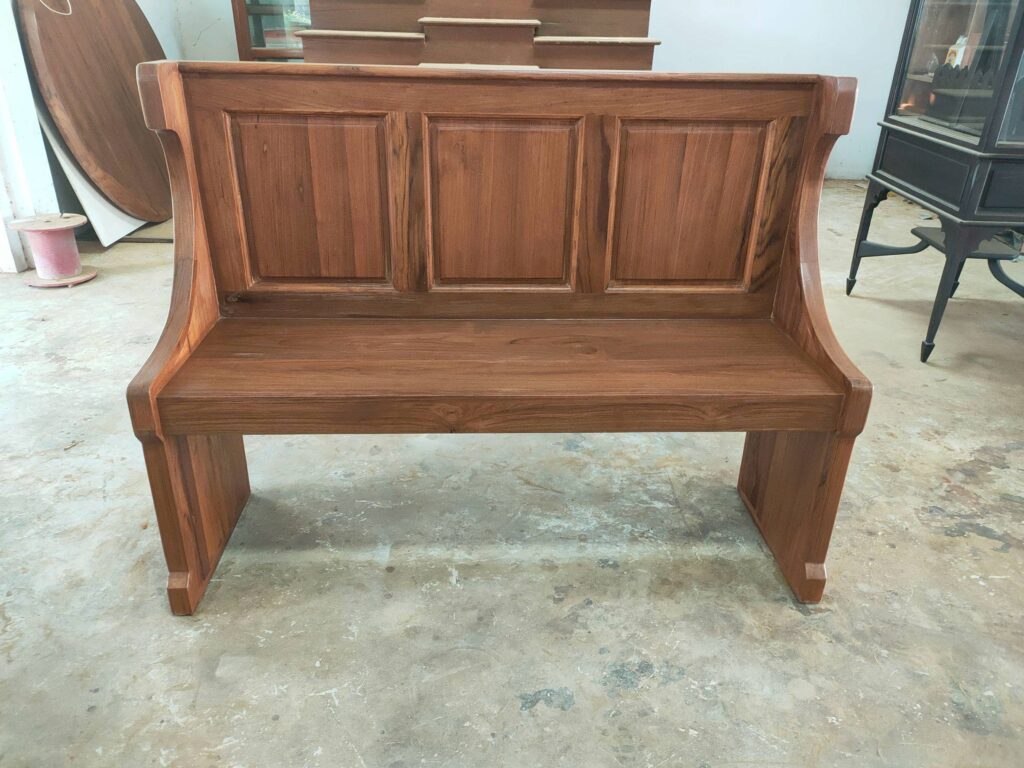
An old floorboard might become a tabletop or a chair back. A former post may become a table leg. A beam may find a new role in the structure of a table or chair.
This is why we say: we create according to the nature of the material. Not because design disappears. But because the material becomes part of the design conversation.
Taste Does Not Need to Become a Standard
Trends often tell us what beauty is supposed to look like. This year, perhaps everything should be pale. Another year, darker tones return. One period celebrates minimal surfaces. Another embraces texture and visible craft. But personal taste does not have to follow a single standard.
If one person genuinely loves the natural warmth of old teak, that preference is valid. If another wants a softer, lighter expression, that is valid too. The role of the designer is not to decide which taste is superior. It is to help translate that preference into a piece that still makes sense with the material being use
Natural Beauty Does Not Mean “Untouched”
Believing in natural beauty does not mean doing nothing to the wood. Reclaimed teak still needs work. It needs to be selected.
Resurfaced.
Joined.
Shaped.
Repaired.
Finished.
Natural beauty is not the absence of craftsmanship. It is the ability to work with a material without erasing everything that makes it what it is.
Sometimes that means keeping a variation in tone. Sometimes highlighting the grain. Sometimes using the existing dimensions rather than cutting away more wood than necessary. Sometimes it means accepting that two pieces do not need to be visually identical to belong together.
The Owner and the Material Both Bring Character
This is where custom furniture becomes interesting. The owner is not blank. The material is not blank. The owner brings:
taste,
habits,
memories,
preferences,
and a way of living.
The material brings:
grain
tone
dimensions
marks
and a previous life.
Design sits between them. Its job is not to erase one in favor of the other. Its job is to create a relationship.
When Difference Does Not Have to Become Conflict
The teaching that people have a right to their own taste is, at its heart, an invitation to live with difference.
We can bring that same attitude into design. Not every owner has to want the same furniture. Not every board has to look the same. Not every natural mark needs to disappear. Difference does not automatically mean disorder.
When understood and composed carefully, difference can become character.
For WoodTist, that means we do not begin by asking:
“How can we make everything conform?”
We ask:
“How can these differences belong together?”
For WoodTist: Design With the Material, Not Against It
We believe that good furniture does not come from forcing every material into a predetermined image.
It comes from understanding. Understanding the person. Understanding the space. Understanding the material. And then making choices that allow all three to meet.
That is why these two beliefs sit at the heart of WoodTist: #WoodTist We create according to the nature of the material. #WoodTist We believe in natural beauty.
Because the purpose of design is not to make every person like the same thing. And it is not to make every piece of wood look the same. It is to create something where
the owner can still be themselves, and the material can still be itself.
Not Just Wood! It’s You.
Interested in designing a Reclaimed Teak Table or custom furniture? Order now via LINE: @409yiadr
FAQ
What does it mean to design with natural materials?
It means allowing the actual characteristics of the material—such as grain, dimensions, color variation, marks and structural properties—to influence design decisions rather than treating the material as completely uniform.
Does custom furniture mean the customer can choose anything?
The customer’s preferences are central to custom design, but the final piece should also respect structural requirements and the nature of the material. Good custom work is a collaboration between the owner, designer, craftsman and material.
Why does reclaimed teak vary in color and grain?
Reclaimed teak comes from different pieces with different histories, previous uses and natural characteristics. Variation is therefore part of the material rather than something that can always be completely standardized.
Does believing in natural beauty mean leaving wood unfinished?
No. Natural beauty and craftsmanship are not opposites. Reclaimed wood still needs preparation, repair, shaping and finishing. The idea is to avoid unnecessary processes that erase the material’s character simply for the sake of uniformity.
How does WoodTist balance personal taste with material character?
We begin by understanding what the owner wants, then study the actual reclaimed teak available. Design decisions are made where personal preference, function, craftsmanship and the nature of the wood can work together.
Is variation in reclaimed wood considered a defect?
Not automatically. Some variation is part of the natural character of reclaimed material. However, structural damage or issues affecting function still need to be evaluated and repaired by craftsmen.