
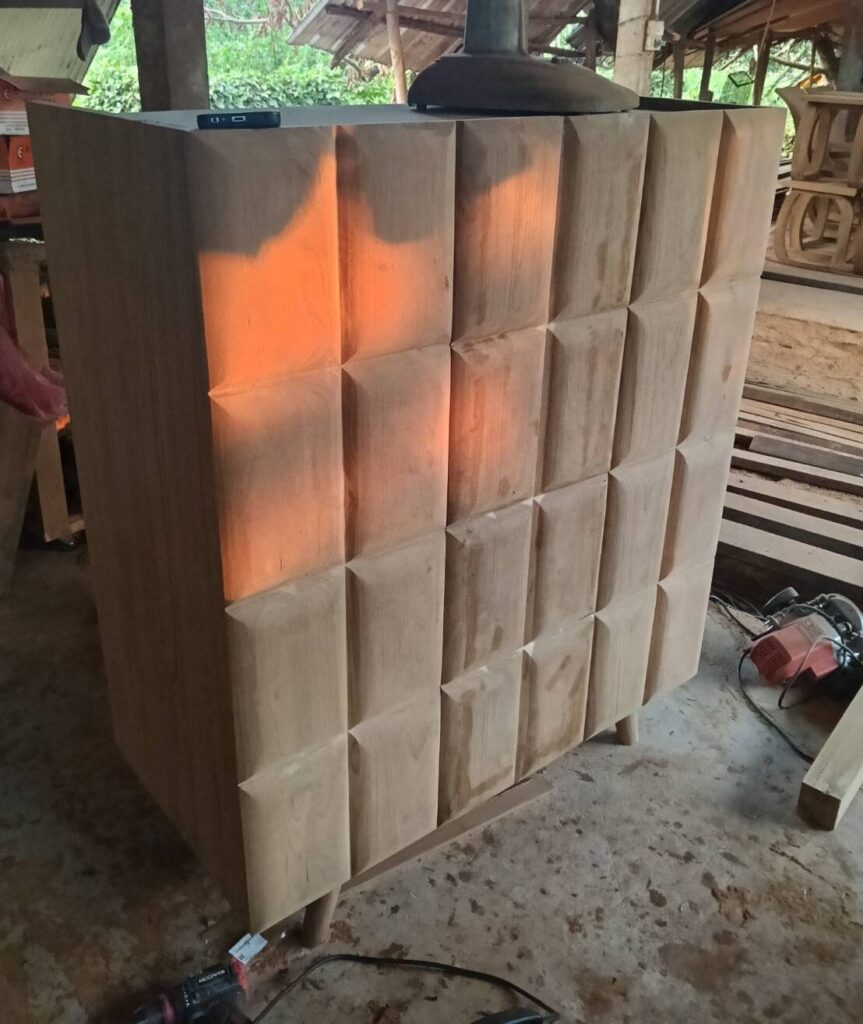
A House Can End, Without Its Materials Losing Their Value
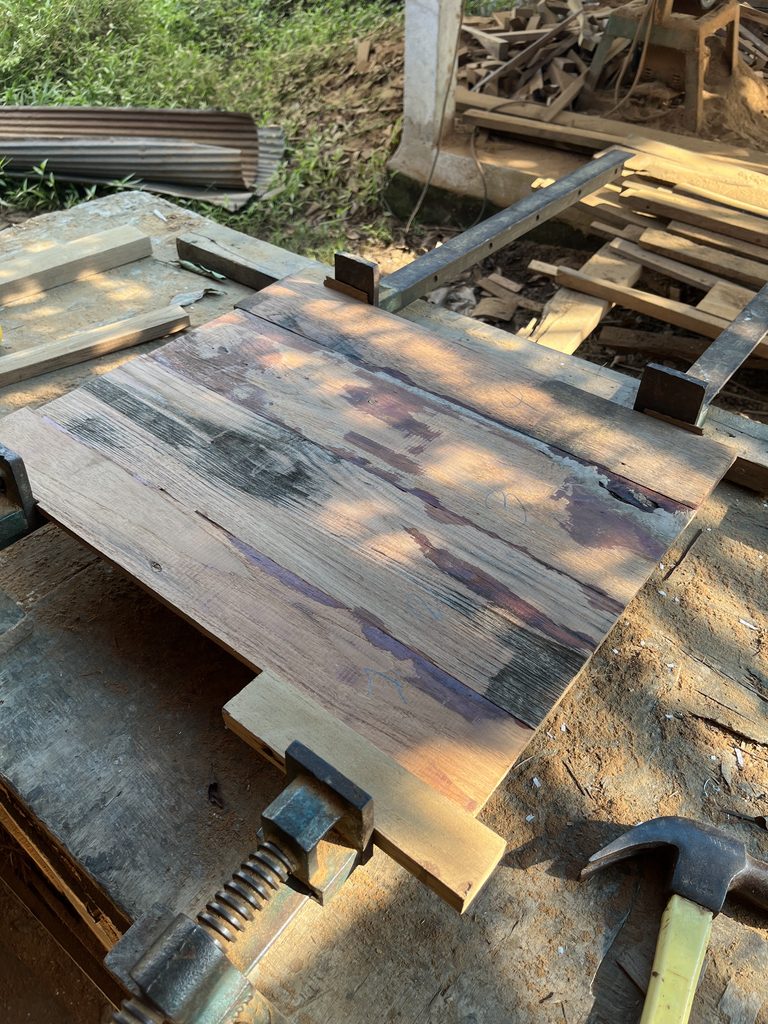
Before becoming a dining table, a piece of teak may have been a floorboard in an old house.
A table leg may begin as a former post or beam. A chair backrest may come from a floorboard, while a structural timber may find a new role in the frame of a table or chair.
The material changes its function, but it does not necessarily lose its identity.
This is one of the things that makes reclaimed teak interesting to us. Each piece comes with its own dimensions, grain patterns, marks, and physical condition.
Instead of treating every board as identical raw material, we see each piece as a starting point for design.
What Is Material-Led Design?
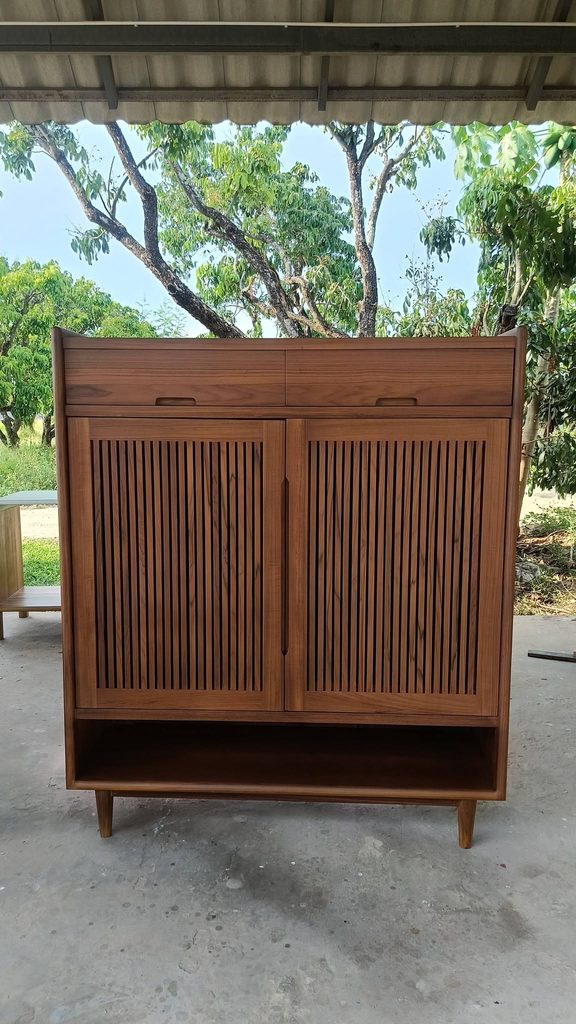
Material-led design is an approach that begins by understanding a material’s natural characteristics and working with them to shape the final design.
Rather than forcing every piece of wood into a predetermined form, the designer considers its dimensions, grain, condition, and potential use before deciding how to work with it.
With reclaimed teak, this may mean asking:
- Is this piece suitable for a tabletop, a leg, or part of a chair?
- Which grain patterns are worth bringing into view?
- Can the original dimensions be used with minimal unnecessary cutting?
- Which marks should remain, and which areas need repair?
- Is the timber structurally sound enough for its intended purpose?
These questions connect material knowledge with design decisions.
They also remind us that good craftsmanship is not only about making something look beautiful. It is about knowing how to work with the material responsibly and appropriately.
Why Can’t Every Piece of Old Teak Be Used in the Same Way?
Because reclaimed wood is not uniform.
Two pieces from the same house may differ in size, grain, previous use, and condition. One may be suitable for a tabletop, while another may work better as a structural component or a smaller furniture detail.
Some pieces may need repair. Others may not be suitable for reuse in a particular application.
This is why the selection process matters.
A craftsperson must assess the actual timber before deciding how it can be used. Its former role can offer useful clues, but its current condition ultimately determines what is appropriate.
At WoodTist, we see this as an important part of design: understanding the material before deciding what it should become.
From House Parts to Furniture Parts
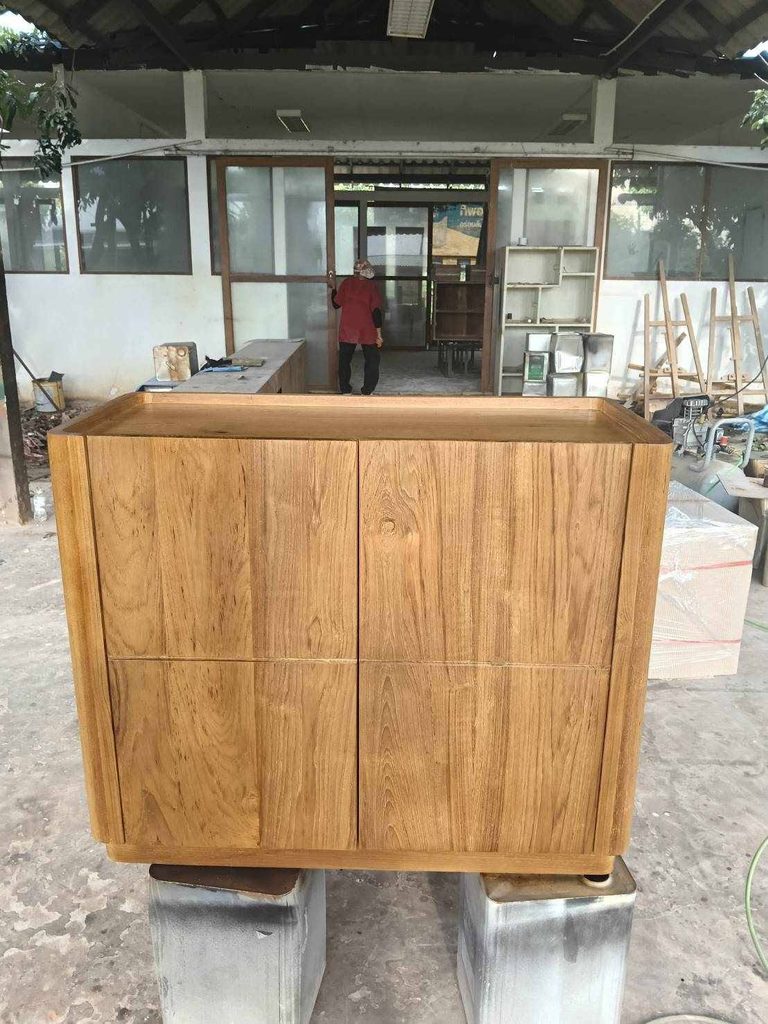
A former house component can take on a new role in a piece of furniture.
For example:
- Floorboards may become tabletops, drawer fronts, or chair backrests.
- Posts and beams may become table legs or other substantial furniture components.
- Purlins and floor joists may be considered for table rails, depending on their dimensions and condition.
- Other suitable timber sections may become chair arms or smaller design details.
These are possibilities, not fixed rules. Every piece must be assessed individually.
The aim is to make thoughtful use of what the material already offers, rather than cutting every board into standard dimensions before the design process begins.
This approach can help reduce unnecessary material loss while allowing the wood’s existing character to inform the final piece.
Is Reclaimed Teak Better Than New Wood?
Not automatically. The better choice depends on the project, the material’s condition, its preparation, and the intended use.
Reclaimed teak offers something distinctive: it has a previous life and a physical history. Its grain, marks, dimensions, and signs of former use may create qualities that are difficult to reproduce in newly milled timber.
However, age alone does not guarantee quality or strength. Reclaimed wood still needs to be inspected, prepared, and used appropriately. New timber can also be an excellent material when it is responsibly sourced and properly prepared.
For us, the question is not simply whether old wood is better than new wood.
It is whether we understand the material well enough to make the right design decisions with it.
Does Reclaimed Teak Need to Look Old?
No.
Reclaimed teak can become furniture with a contemporary, minimal, or understated expression. The material does not have to be presented as rustic simply because it came from an old house.
Its natural grain and warmth can work within many design languages.
The important distinction is between giving the material a new expression and removing everything that makes it distinctive.
At WoodTist, we do not believe that every mark must remain, or that every surface must look untouched. Wood needs craftsmanship: selection, planing, sanding, joining, repair, and finishing.
But we also believe that the process should begin with understanding what is worth preserving.
Natural beauty is not the absence of design. It is design that understands the material.
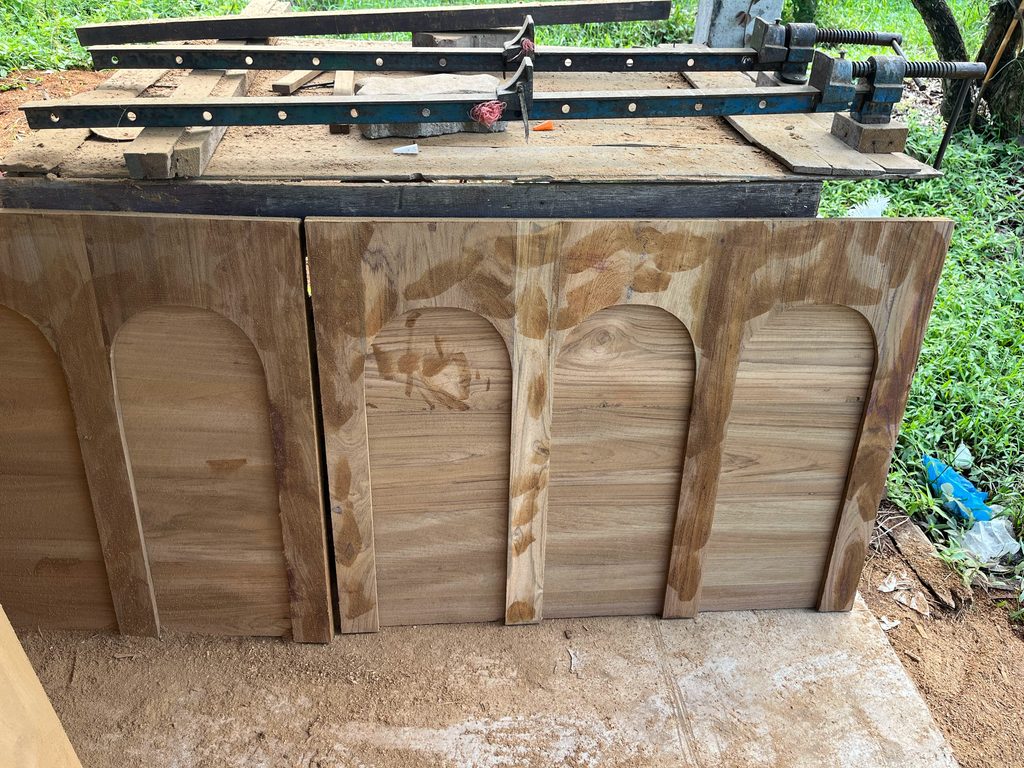
Designing With the Material, Not Against It
When working with reclaimed teak, we do not begin by assuming that every board must fit an identical template.
We begin by looking.
The dimensions may suggest one role. The grain may suit another. A particular section may offer the right thickness or proportion for a furniture component.
The final design emerges through a conversation between the material, the intended function, and the person who will live with the piece.
This does not mean that the material makes every design decision for us. Design still requires intention, proportion, usability, and craftsmanship.
It means that the material is part of the decision-making process, rather than simply something to be shaped after the design is finished.
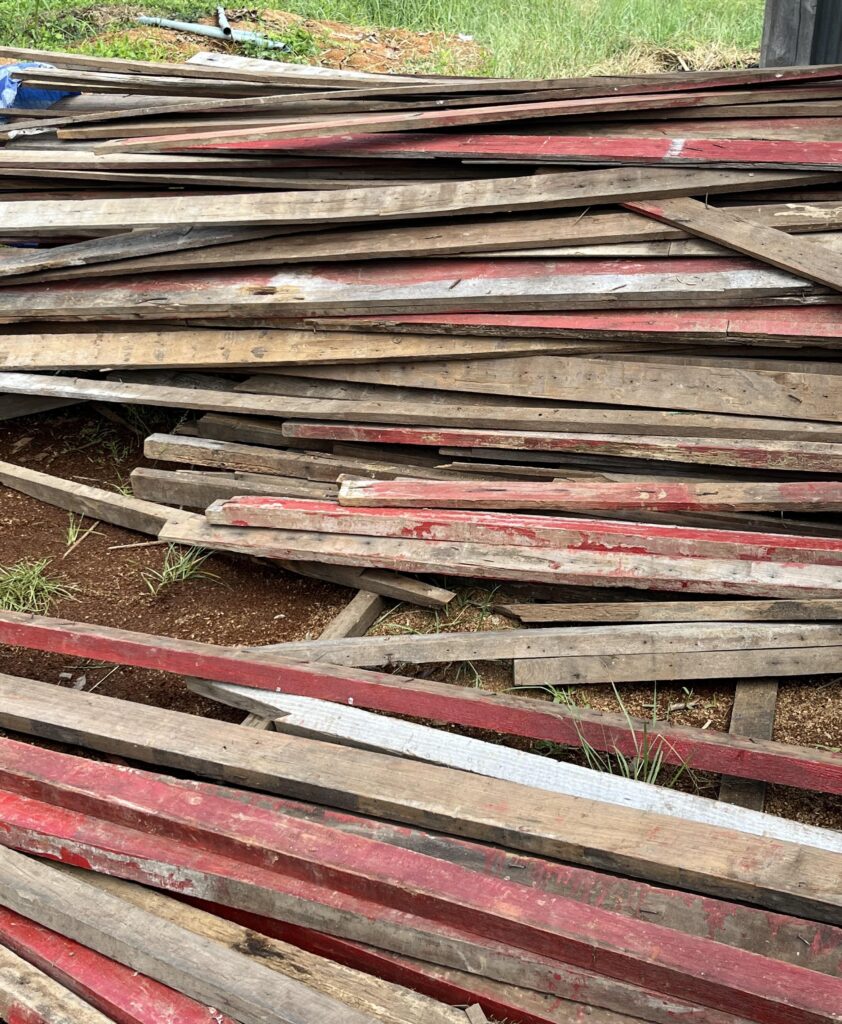
Why This Matters to WoodTist
At WoodTist, reclaimed teak connects two stories.
The wood carries traces of its former life. The person choosing the furniture brings a different story: their taste, their space, their routines, and the way they want to live.
Our role is to bring those two stories together through design.
We want to create furniture that works for the person who owns it while respecting the natural characteristics of the material it is made from.
That is why we do not see reclaimed teak merely as old wood waiting to be transformed.
We see it as a material with possibilities that deserve to be understood.
#WoodTist We create according to the nature of the material.
#WoodTist We believe in natural beauty.
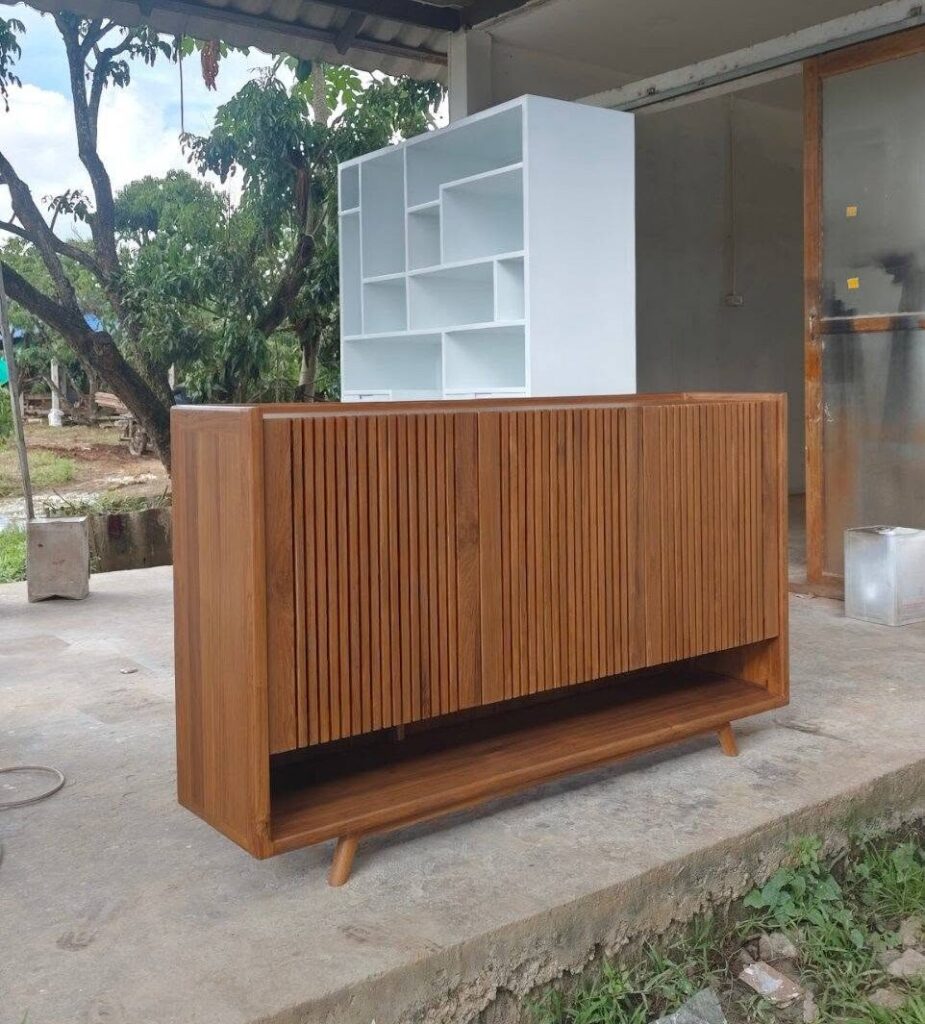
A Past Is Not the End of a Material’s Story
A house may eventually be dismantled. Its original function may disappear. But some of its timber can continue into another chapter.
A floorboard may become the surface of a dining table. A former beam may become part of a chair. Wood that once belonged to one home may find its place in another.
The transformation is not simply about making old wood look new.
It is about recognizing what remains valuable, understanding what the material can do, and designing a useful next life for it.
For WoodTist, that is where material knowledge becomes meaningful design.
A material with a past. Designed for a future.
Not Just Wood! It’s You.
Interested in designing a Reclaimed Teak Table or custom furniture?
Order now via LINE: @409yiadr
FAQ
Is teak native to Thailand?
Yes. Thailand lies within the natural range of teak, with historically important natural teak forests concentrated especially in the north and parts of the west. FAOHome
Why is teak naturally durable?
Teak heartwood has high natural durability, and extractives within the heartwood contribute to characteristics associated with resistance to deterioration. Forest Products Laboratory
Does teak become stronger the older it gets?
Not automatically. Age itself does not continuously increase structural strength. The advantage of sound reclaimed teak is that it may be well seasoned and dimensionally settled after decades of service, but each piece still needs to be inspected individually.
Is reclaimed teak waterproof?
No. It can absorb and release moisture. Teak is valued for natural durability and dimensional stability, not total waterproofness. Forest Products Laboratory
Can reclaimed teak survive flooding?
Some solid teak pieces can potentially be dried, assessed and repaired after water exposure if the structure remains sound, but survival depends on duration of submersion, construction, contamination and drying conditions. It should never be described as flood-proof.
Why is reclaimed teak especially relevant to Northern Thailand?
Northern Thailand is historically one of the country’s key natural teak regions, and teak became deeply connected with local architecture, forestry and craftsmanship over time. FAOHome
What makes reclaimed teak sustainable?
Its sustainability value can come from extending the useful life of existing timber rather than treating it as waste. However, responsible sourcing and evidence of legal provenance still matter; “reclaimed” alone should not be treated as proof of sustainability.