I Have Arrived, I Am Home: Creating a Home That Feels Like You

What Does It Really Mean to Come Home?

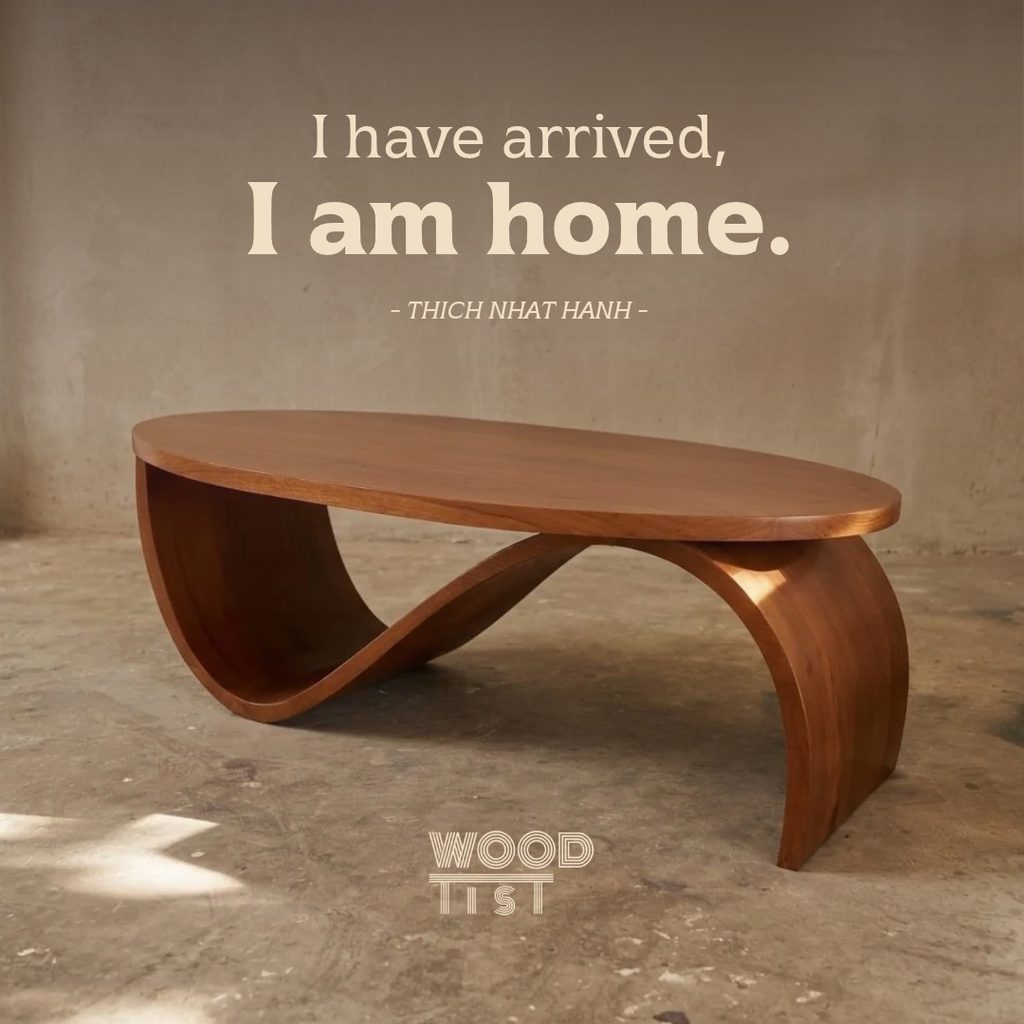
“I have arrived, I am home.” — Thich Nhat Hanh

There is something quietly beautiful about these words. They remind us that arriving home is not always about reaching a physical destination.

Sometimes, coming home means slowing down. Letting go of the noise of the day. Allowing ourselves to be present, without needing to be somewhere else or become someone else.

We may return to the same address every evening, open the same door, and sit in the same room. Yet the feeling of truly being home can be something entirely different. It is the moment when we no longer feel the need to rush. When our surroundings allow us to settle into our own rhythm. When we can simply be ourselves.

This raises a question worth exploring: What makes a house feel like home, rather than simply a place to live?

img 4270 medium
img 4198 medium

A House Is a Place. Home Is a Personal Experience.

A house can be described through its architecture, rooms, dimensions, and materials But the meaning of home is more personal.

It develops through everyday experiences, familiar objects, routines, and memories.

For one person, home might be a quiet reading corner beside a window.
For another, it might be a dining table where conversations continue long after dinner.

Or perhaps it is a favourite chair, a collection of books, or the familiar texture of a wooden surface.

These things may seem ordinary. But their meaning comes from the relationship we build with them over time. This is why two homes with similar layouts and furniture can feel completely different.

A home becomes personal not simply because of what it contains, but because of how those things relate to the people living there.

line album งานติดตั้ง 260612 7

Can Interior Design Help a Home Feel More Personal?

Yes. Thoughtful interior design can make a home more personal by responding to the habits, preferences, and daily experiences of its occupants.

But personal design does not necessarily mean filling a space with more objects.

Sometimes, it means choosing fewer things with greater intention.

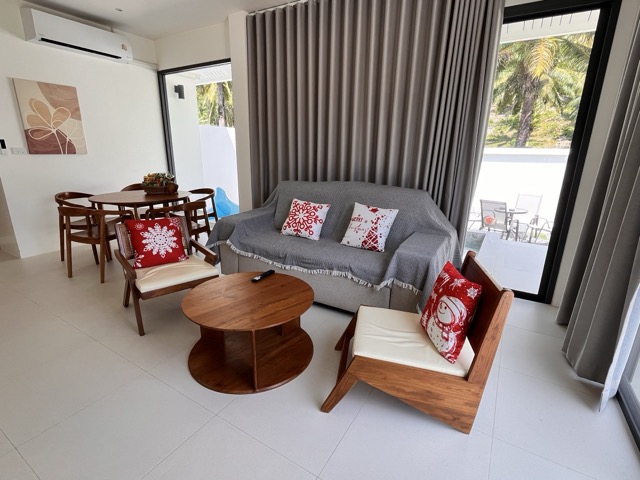
A table that fits the way you gather with friends.

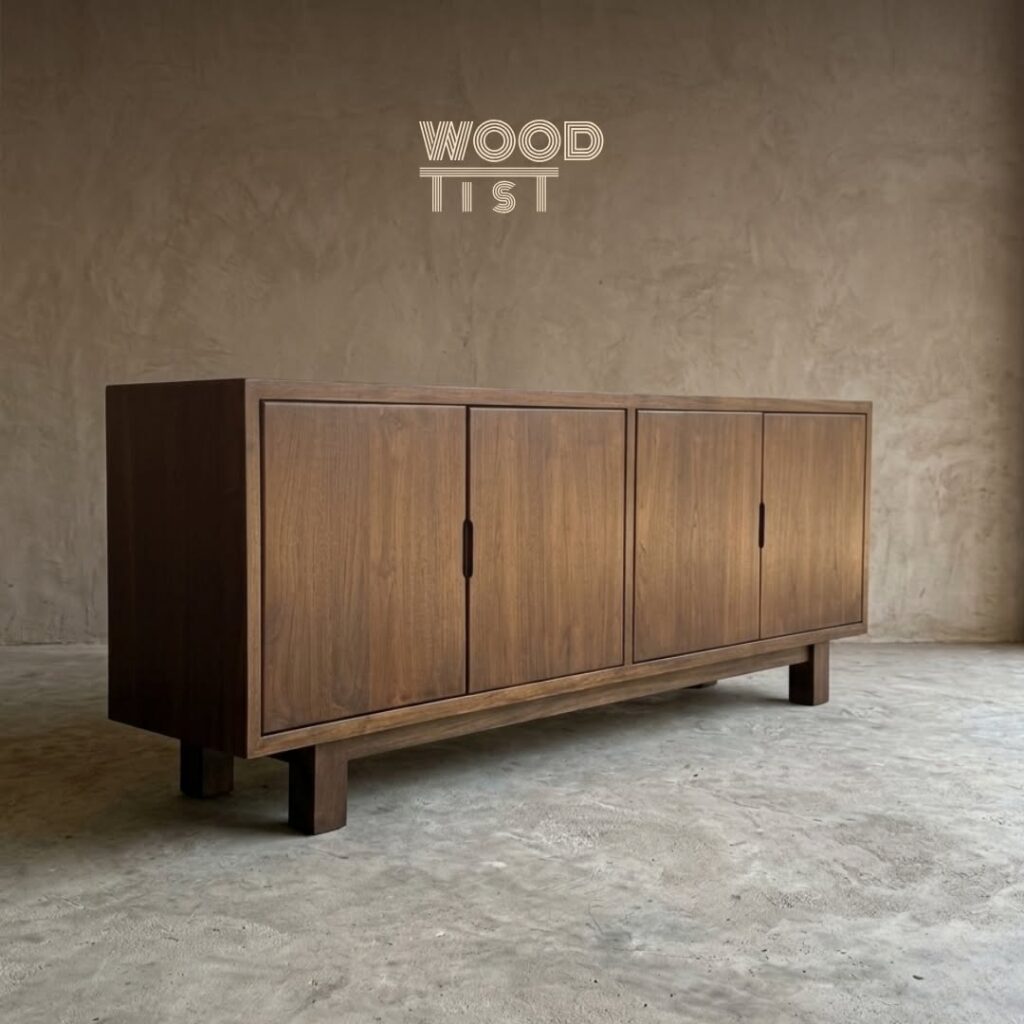
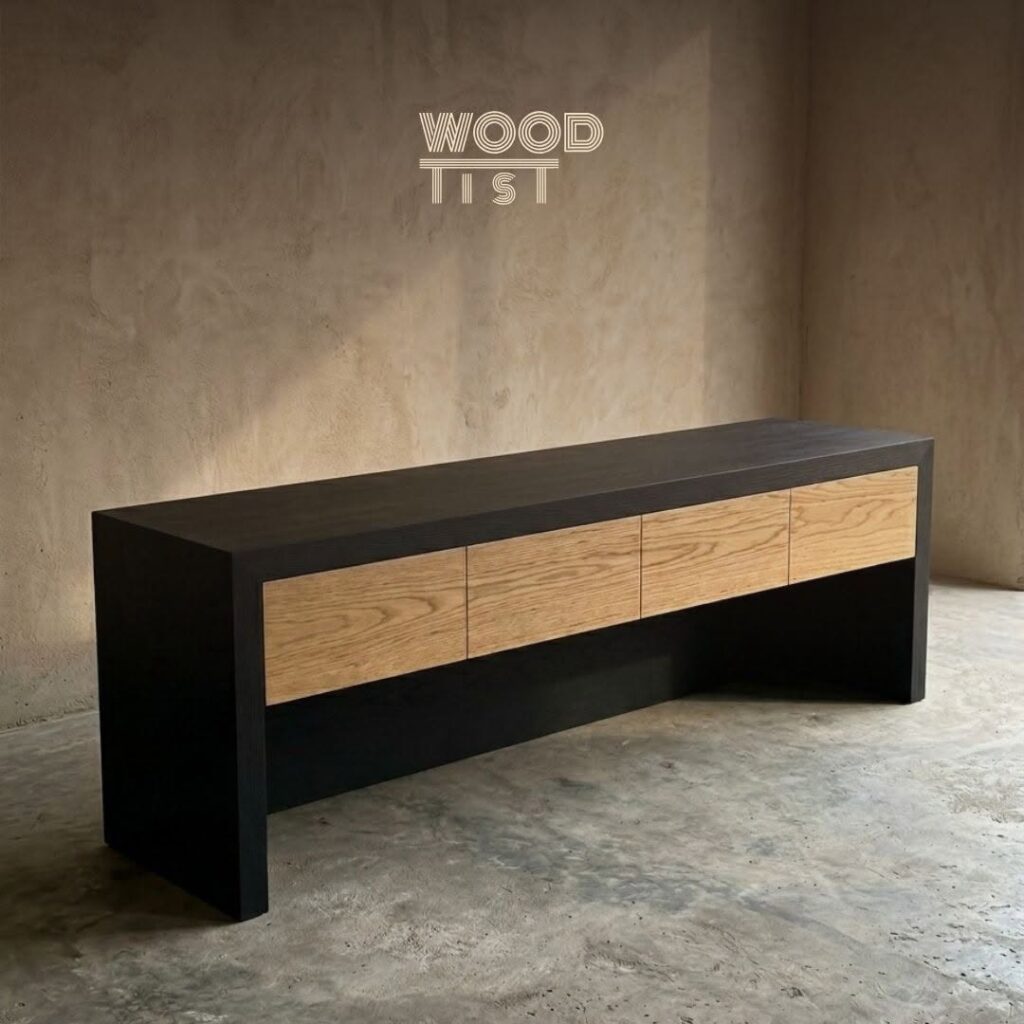
A cabinet designed around the objects you want to keep.

A comfortable place to sit at the end of a long day.

These decisions are not only aesthetic.

They reflect how someone wishes to live.

Rather than beginning with a particular style, meaningful home design can begin with a different question:

How do you want to feel and live in this space?

The answer will never be exactly the same for everyone.

And perhaps that is what makes a home truly personal.

The Objects We Choose Become Part of Our Story

Furniture is often described through its practical function. A table is for dining. A chair is for sitting. A cabinet is for storage. But the objects we live with can carry meanings beyond their functions.

A table may become the place where important conversations happen.
A cabinet may hold objects collected over many years.
A chair may become part of a familiar evening ritual.

The significance of these objects does not come from their price or appearance alone. It comes from their place in our lives.

At WoodTist, this relationship between people and furniture is central to how we think about design. We believe furniture can be more than an object placed inside a room.

It can be something shaped around a person’s preferences, routines, and identity. This is the thinking behind our belief: Not Just Wood! It’s You.

Why Natural Materials Can Make a Home Feel More Personal

Natural materials offer something that uniform, manufactured surfaces may not always express in the same way: visible variation. Wood, for example, has its own grain, colour, and texture. No two pieces are exactly alike.

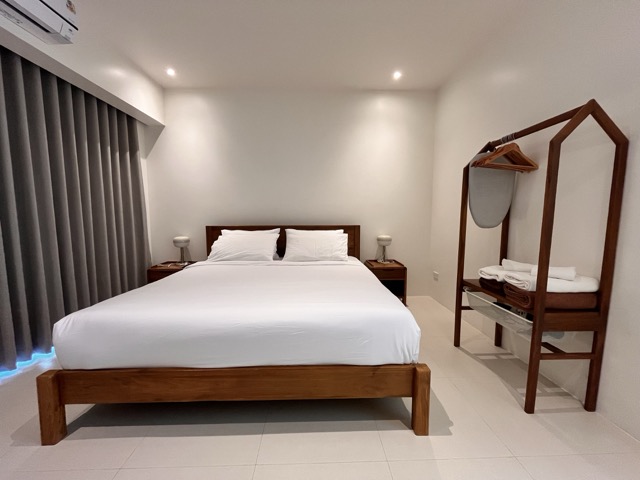
For those who appreciate natural materials, these differences can become part of the character of a home. Reclaimed teak adds another dimension. Recovered from previous uses, including old wooden structures, reclaimed teak may carry visible signs of its earlier life.

Variations in tone, distinctive grain, and traces of previous use can give each piece an individual appearance. Not every piece of reclaimed wood is suitable for furniture, however. Its condition, dimensions, and intended use must be carefully considered.

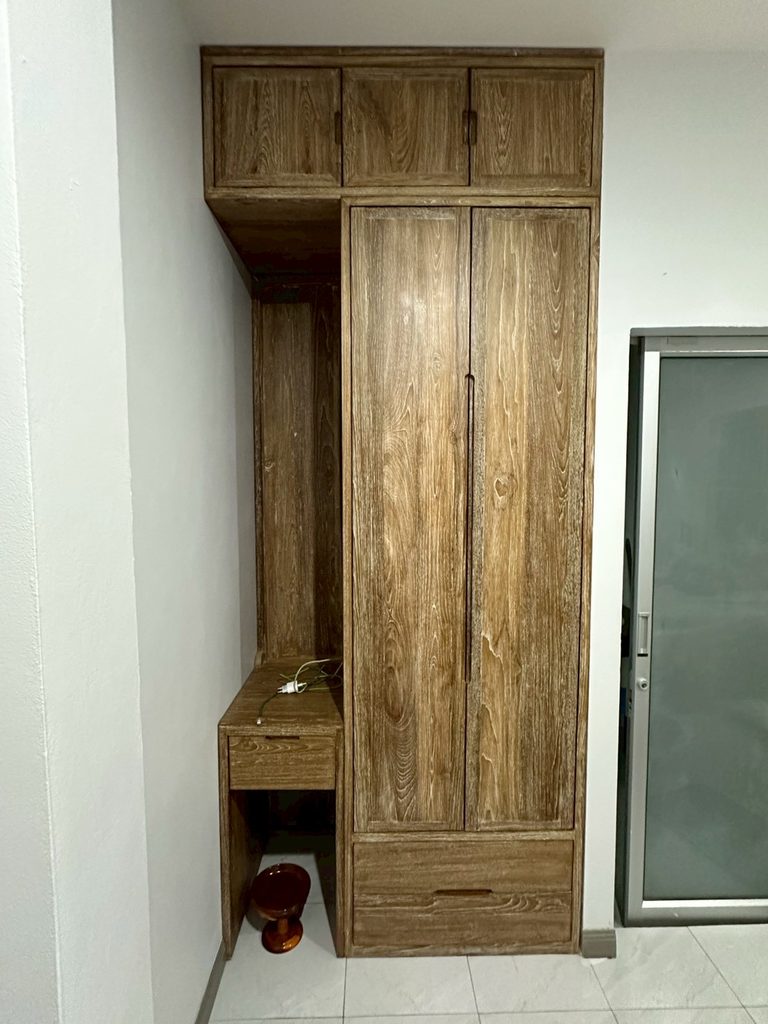
At WoodTist, we are interested in what this material can become through thoughtful design. Rather than treating every mark or variation as something that must disappear, we consider which characteristics are worth preserving and which need to be addressed through craftsmanship. The result does not need to look rustic or old-fashioned. Reclaimed teak can become part of contemporary furniture designed for modern living. A material with a past can still belong beautifully in the present.


img 8526

Designing Furniture Around People, Not the Other Way Around

Every home has its own dimensions. Every person has different habits. And every piece of furniture plays a different role in daily life.

This is where custom-made furniture offers an interesting possibility. Instead of expecting people to adapt entirely to standard furniture sizes and configurations, furniture can be designed with their particular space and needs in mind.

The height of a table. The proportions of a cabinet. The way a drawer opens. The amount of storage required. The choice of material and finish. These details influence how an object becomes part of everyday life.

At WoodTist, we see custom furniture as a conversation between three things: The person. The material. The space.

Good design considers all three. It respects the natural characteristics of the material while responding to the needs and preferences of the person who will live with it.

This is how furniture can become a personal expression rather than simply another object in a room.

Does a Home Need to Be Perfect to Feel Complete?

Perhaps one of the most liberating ideas about home is that it does not have to be perfect.

It does not need to follow every design trend. It does not need to look like a showroom. And it does not need to impress everyone who walks through the door.

A meaningful home may include things that do not match perfectly. Objects collected at different times. Materials that reveal their natural variations.

Furniture that reflects personal choices rather than a single prescribed style. What matters is whether the space makes sense to the people who live there. A home can continue to change as life changes. And the things we choose to live with can become part of that evolving story.

705502579 1314355760786926 4831011496892143567 n

I Have Arrived. I Am Home.

Thich Nhat Hanh’s words invite us to return to the present moment.

They are not a lesson about furniture or interior design.

But they offer a meaningful way to reflect on the spaces we inhabit.

Perhaps coming home is not about having everything we ever wanted.

Perhaps it is about recognising what already matters to us.

A familiar room.

A meaningful object.

A quiet moment.

A space that allows us to live at our own pace.

At WoodTist, we believe the furniture we create should begin with an understanding of the person who will live with it.

Because a home is not defined by wood, furniture, or design alone.

It is shaped by the life that happens within it.

A house is where you live. A home is where you can be yourself.

And sometimes, that is all we need to say:

I have arrived. I am home.
ws 1 1 3
695768762 1306409491581553 9029378834337654049 n
727393541 1336449661910869 7687352467091241371 n

FAQ

What makes a house feel like home?

A house often begins to feel like home through familiarity, personal meaning, everyday routines, and a sense of belonging. Thoughtful design can support these experiences by creating spaces that reflect how people actually live.

How can furniture reflect someone’s personality?

Furniture can reflect personality through its materials, proportions, colours, design details, and functions. Custom-made furniture offers opportunities to adapt these elements to individual preferences and needs.

Why choose natural materials for a home?

People may choose natural materials for their texture, visible variation, distinctive appearance, and tactile qualities. Materials such as wood can bring individual character to a space, although suitability depends on personal preferences and practical requirements.

Can reclaimed teak work in contemporary interiors?

Yes. Carefully selected and prepared reclaimed teak can be used to create contemporary furniture. Its final appearance depends on the design, construction, surface preparation, and finish rather than simply the age of the wood.

Does mindful living require minimalist interior design?

No. Mindful living does not require a particular interior style. A thoughtfully designed home can be minimalist, expressive, or somewhere in between. The important consideration is whether the space supports the way its occupants wish to live.


Not Just Wood! It’s You.

Leave a Comment

Your email address will not be published. Required fields are marked *